
Secure Infrastructure-as-Code (IaC) Secure-By-Design (SbD)
Secure Infrastructure-as-Code
Secure-by-Design Secure by Default
Digital vulnerabilities stop being purely virtual—a software flaw can directly cause physical harm, environmental damage, or infrastructure failure. A structured security process is critical because it turns security from an ad-hoc reaction into a repeatable safeguard across the entire lifecycle of the physical asset.
Without a closed-loop process like the one below, organisations end up relying on isolated technical fixes that fail when real-world operational constraints collide with evolving cyber threats.
The Process
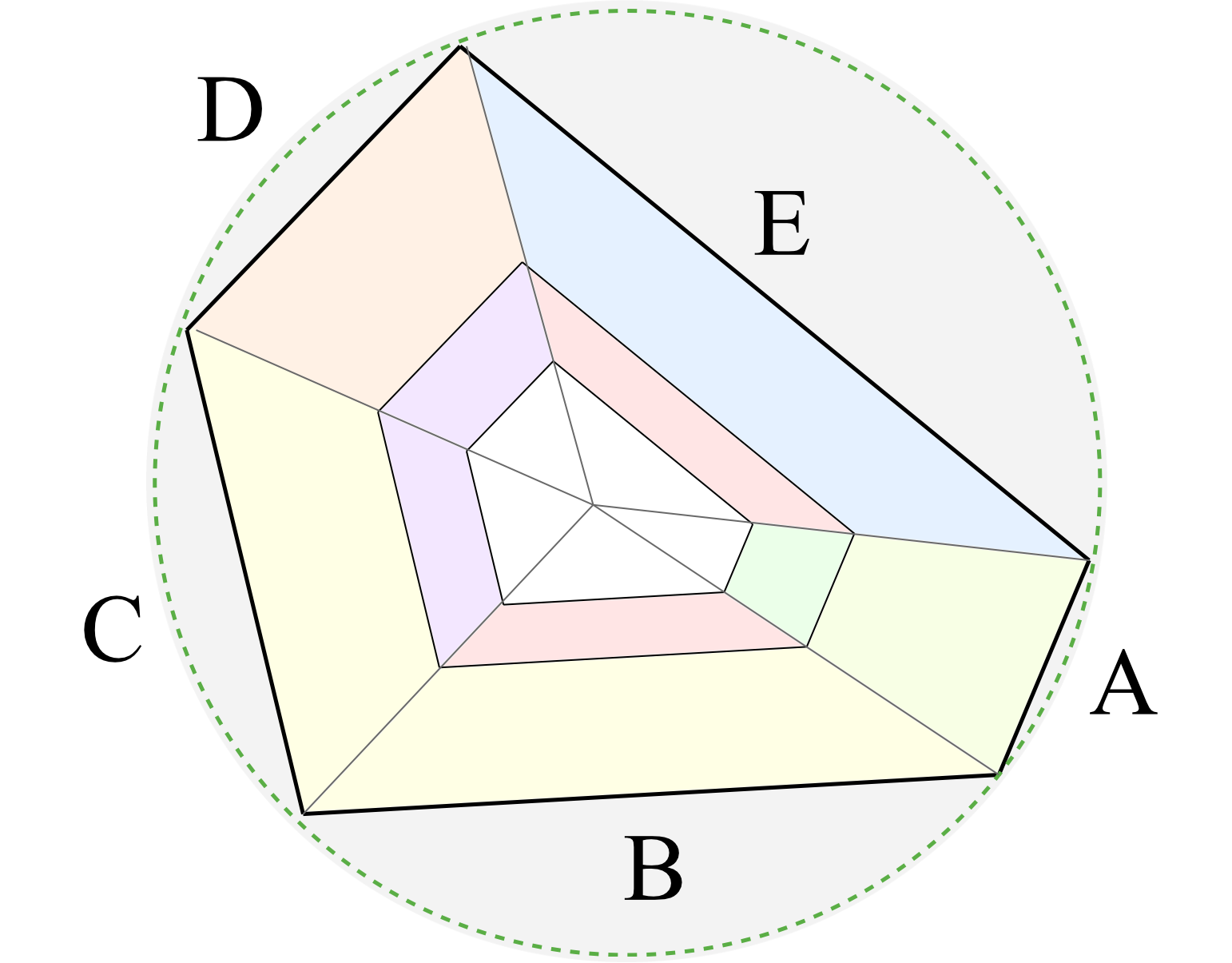
The process begins with A. Secure-by-Design Architecture, the shortest edge, representing high-impact upfront planning with lower day-to-day operational functions.
B. Secure Development, a long, high-risk phase that requires constant vigilance as code is written and tested
The process continues into C. Secure Implementation and D. Security Training, balancing deployment hardening with human-centric awareness,
E. Monitor and Threat Hunt, the longest and most strenuous side of the shape, reflecting the relentless 24/7 effort required to detect and neutralise active threats in production before feeding those insights back into the architecture
The Process by Cyber Security Team Colours
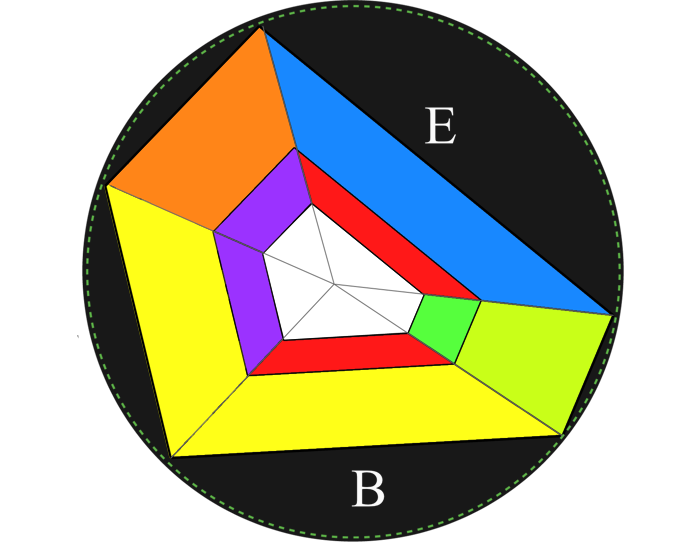
When forming a team its important to know roles and responsibilities. Below are the colours each cyber team plays in the delivery of secure architecture. For a detailed view on the cyber security team colours please visit our sister site: https://cybercamp.com.au/the-cyber-security-colour-system/.
THE OUTER CIRCLE
A. The process is kicked off by the yellow team (Builders & Architects) who gather requirements and deliver the secure design architecture to be built.
B. Secure Development and C. Secure Implementation: Yellow represents the software developers, systems engineers, and OT/hardware integrators who actually build and deploy the system.
C. Secure implementation. The yellow team focuses on secure deployment by running vulnerability scans (DAST, SAST, IAST, SCA) secure tooling, configuration management and automated guardrails for AI activities.
D. Security Training— Upskilling developers and operational engineers—while embedding automated security checks into deployment pipelines so safe configurations become the default.
E. The Blue Team (Defenders & DFIR) who monitor and threat hunt: The Blue team carries the relentless weight of the longest edge of your pentagon. They operate the Security Operations Center (SOC), monitor network and physical telemetry 24/7, hunt for anomalous behavior (such as suspicious PLC commands or sensor drift), and lead incident response to keep live systems safe.
INNER CIRCLE
A. The Green team works together with the Yellow team by making sure the secure architectural designs is compliant and has embedded policy-as-code.
B and E, the Red Team (attackers) validates B and E by looking for software vulnerabilities and E exploiting them.
C and D. The Purple Team acts as a bridge between the defenders and red teams. Here the purple team communicates threat modeling findings, testing requirements and educate the team on known behaviours.
CENTRE
In the centre we have the White Team (Governance, Compliance & Safety Oversight). Across all 5 stages the White Team acts as the referee and risk manager. In cyber-physical systems, they ensure every stage—from initial architectural safety standards to live incident escalation—adheres to regulatory frameworks, safety protocols, and organisational risk tolerance.
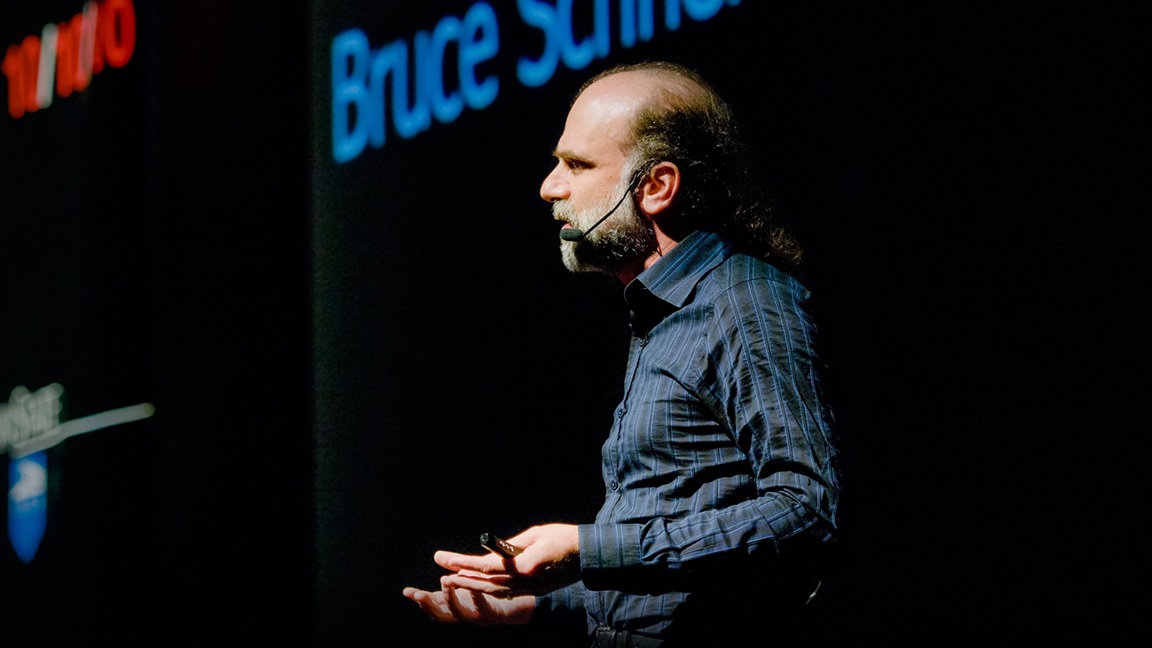
“Attacks always get better; they never get worse”
Bruce Schneier, American Cryptographer, Security Technologist, and Author
Explains that once a vulnerability or weakness is discovered in a system or cryptographic algorithm, subsequent research and advancing technology will only make exploiting that flaw easier, faster, and cheaper over time—never harder
Contact
Get in Touch
Located in Melbourne, the first point of contact is through an email to organise an online meeting.
Melbourne Connect, 700 Swanston Street, Carlton, VIC 3053

Fractional Services
Contact